
SQLITE NOT INSTALLED
When it comes to the world of automobiles, welding is the unsung hero that holds everything together—quite literally. Whether you’re restoring a classic car, fixing a rusted frame, or building a one-of-a-kind custom ride, automotive welding is an essential skill that transforms metal into art, strength, and function. In this comprehensive article, we’ll dive deep into the process of automotive welding, covering everything from basic repairs to advanced custom fabrication techniques.
We’ll explore the tools, methods, safety precautions, and applications that define this fascinating craft. So buckle up and join me as we embark on this detailed journey through automotive welding. By the end, you’ll have a well-rounded understanding of how welding shapes the vehicles we drive and admire.
What is Automotive Welding?
Automotive welding is the process of joining pieces of metal, specifically designed or originally part of a vehicle, using heat, pressure, or both. This process creates strong bonds that restore or improve the structural integrity of the vehicle. With automotive welding, you can repair worn-out frames, patch up rusted sections, attach new panels, or fabricate custom parts from scratch.
Welding isn’t just about sticking metal together; it is an intricate balance of art and science. Automotive welders must consider the type of metal, the thickness of sheets, the stress points on the vehicle, and how the weld will affect the vehicle’s performance and safety.
Understanding automotive welding isn’t just useful for professional mechanics or fabricators. It’s also a fascinating area for car enthusiasts who want to learn how vehicles are built and maintained. From beginner DIY repairs to full-scale custom builds, knowing the basics of automotive welding is empowering.
The Evolution of Automotive Welding
Automotive welding has evolved tremendously over the past century. Early car frames were often held together by rivets, bolts, or simple soldering. As technology advanced, welding techniques became more sophisticated and reliable, enabling faster production and stronger vehicles.
The introduction of methods like MIG (Metal Inert Gas) welding and TIG (Tungsten Inert Gas) welding revolutionized the automotive industry. These technologies allowed for clean, durable welds that could withstand both everyday wear and high-performance conditions.
Today, with the rise of aluminum and other lightweight metals in automotive design, specialized welding techniques have become essential. Not only do these methods ensure safety and durability, but they also play a pivotal role in fuel efficiency and emissions reduction by allowing for lighter vehicle frames.
Types of Welding Used in Automotive Applications
Not all welding techniques are suitable for every automotive job. Each method has its strengths, weaknesses, and ideal use cases. Understanding these will help you choose the appropriate welding process for repairs or custom fabrication.
MIG Welding
MIG welding, short for Metal Inert Gas welding, is arguably the most popular welding method used in automotive repair and fabrication. Known for its versatility, ease of use, and speed, MIG welding involves feeding a wire electrode into the weld pool while shielding the area with an inert gas like argon or carbon dioxide.
This process produces clean welds with minimal spatter and is excellent for working with both thin and thick metals. MIG welding is commonly used to repair body panels, frames, and exhaust systems, as well as creating custom brackets and mounts.
TIG Welding
TIG welding, or Tungsten Inert Gas welding, is a more precise and controlled method than MIG welding. It uses a non-consumable tungsten electrode to produce the weld and is shielded by an inert gas. TIG welding excels in joining thinner metals or materials like aluminum or stainless steel.
Although TIG welding requires more practice to master, it creates extremely clean and visually appealing welds — perfect for custom fabrication, intricate repairs, or restorations that demand a high level of detail.
Stick Welding (SMAW)
Stick welding is one of the oldest and most versatile forms of welding. It uses a consumable electrode coated in flux that produces the shielding gas as it melts. While not as clean or fast as MIG or TIG welding, stick welding is particularly useful for heavy-duty repairs and work on thicker metals without needing sophisticated machinery.
Stick welders are often favored in outdoor or rough environments where wind or weather could disrupt gas shielding required in MIG or TIG welding.
Spot Welding
Spot welding is a resistance welding technique commonly used during vehicle manufacturing. It involves pressing two metal sheets together and passing an electric current through to weld small spots or points. This method is typically seen in mass production settings, especially when joining thin sheets of steel or aluminum in car bodies.
Though not widely used for custom fabrication or repairs, understanding spot welding gives insight into how factory-assembled parts come together seamlessly.
Essential Tools and Equipment for Automotive Welding
Before you dive into any welding project, it’s critical to have the right tools and equipment on hand. The quality and suitability of your gear can make a significant difference in the final result and your overall safety.
Welding Machines
Your choice of welding machine depends largely on the type of welding you plan to perform. Here’s a comparison table to help guide your decision:
| Welding Type | Best For | Advantages | Disadvantages |
|---|---|---|---|
| MIG Welding | General repairs, custom fabrication | Fast, clean welds; easy to learn | Requires shielding gas; may struggle with thin metals |
| TIG Welding | Precision jobs, aluminum, stainless steel | High-quality welds; visually appealing | Slow; steep learning curve; expensive equipment |
| Stick Welding | Heavy repairs, outdoor work | Simple; low cost; works outdoors | Messier welds; not ideal for thin metals |
| Spot Welding | Factory automotive assembly | Consistent; fast; clean | Expensive equipment; not practical for DIY |
Safety Gear
Safety cannot be overstated in automotive welding. The intense heat, bright light, fumes, and sparks present real hazards. Here’s a list of essential safety items every automotive welder should use:
- Welding Helmet: Protects eyes and face from UV light and sparks.
- Gloves: Heavy-duty, heat-resistant gloves prevent burns.
- Fire-Resistant Clothing: Avoid synthetic fabrics. Use natural fibers like denim or leather.
- Respirator or Ventilation System: Protects lungs from harmful fumes and gases.
- Safety Glasses: Worn underneath the helmet to guard against flying debris.
- Hearing Protection: Welding can be noisy, especially in garage settings.
Additional Tools
Other tools that make automotive welding easier and more effective include:
- Angle Grinder: For cleaning and preparing the metal surfaces.
- Clamps and Magnets: To hold pieces steady during welding.
- Wire Brush: Removes slag and rust from the metal.
- Measuring Tools: Tape measures, squares, and calipers ensure precision.
- Chipping Hammer: Helps remove weld slag when using stick welding.
Common Automotive Welding Repairs
Welding plays a crucial role in keeping vehicles safe, functional, and looking sharp. Whether you’re tackling a simple patch or overhauling a frame, welding can restore strength and extend the life of your car.
Rust Repair
Rust is the nemesis of classic cars and older vehicles. Over time, moisture and salt can eat away at metal panels and frames, creating weak spots that compromise safety. Welding is the go-to solution for cutting out rusted areas and replacing them with new metal.
This process typically involves:
- Cutting away the damaged section.
- Fabricating or sourcing a patch panel.
- Welding the patch into place using MIG or TIG welds for best results.
- Grinding and smoothing the welds.
- Priming and painting to protect from future rust.
By mastering rust repair welding techniques, you can restore a car’s structural integrity and significantly boost its resale value or personal enjoyment.
Frame Straightening and Reinforcement
Accidents often lead to bent or weakened frames, which must be repaired or replaced for vehicle safety. Automotive welders use a variety of tactics to straighten frames or add reinforcements.
Welding is essential for attaching reinforcement plates, brackets, or braces onto the frame. Some frame repairs require cutting out damaged sections and welding in pre-fabricated replacements or custom-fabricated parts for a perfect fit.
Since frames bear the brunt of all driving forces, welds must be strong and clean. This is where precision TIG welding may be preferred, especially when working with high-performance or luxury vehicles.
Exhaust and Suspension Repairs
Another common welding job in automotive repair involves exhaust systems and suspension components. Exhaust pipes frequently rust or crack, leading to noisy operation or harmful emissions. Welding allows you to patch holes, attach hangers, or replace sections seamlessly.
Suspension components such as trailing arms, control arms, and brackets are sometimes repaired or reinforced using welding. Because these parts experience huge amounts of stress, it’s critical to use appropriate welding techniques and materials.
Custom Automotive Fabrication
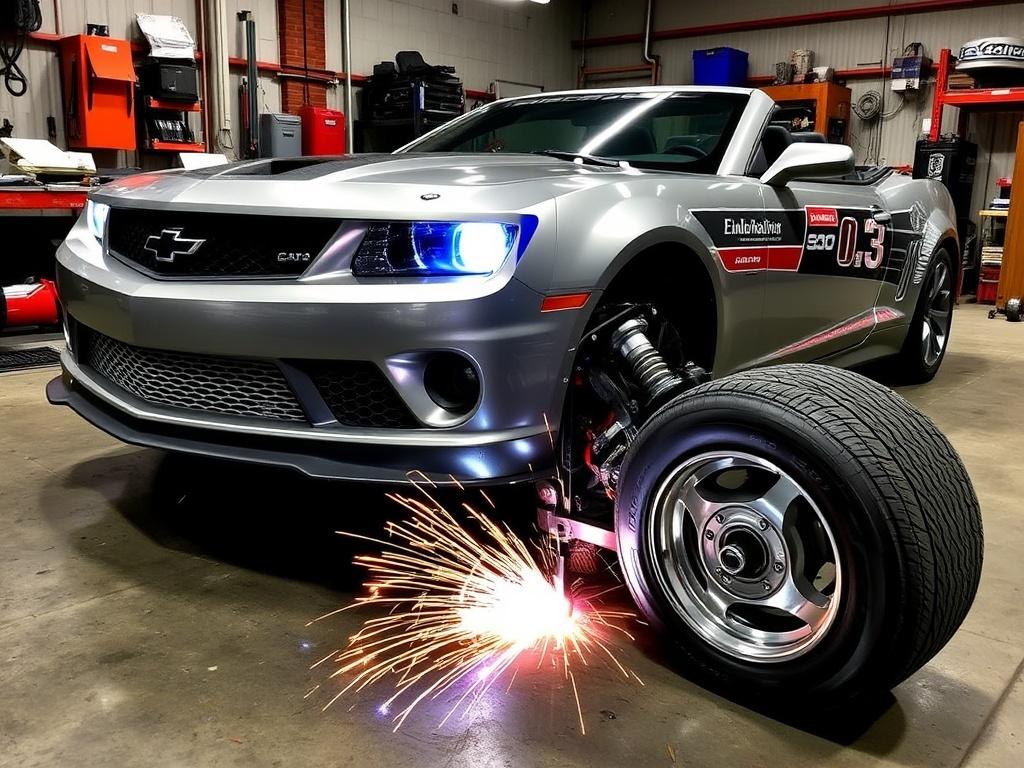
If you’re a car enthusiast looking to build something truly unique, custom fabrication is where automotive welding shines brightest. Whether you’re building a hot rod, fabricating roll cages, or crafting bespoke bumpers, welding gives you infinite creative possibilities.
Building Custom Body Panels
Many custom car builders prefer fabricating replacement panels from scratch, rather than relying on off-the-shelf parts. Using sheet metal, an automotive welder shapes and welds body panels tailored specifically to the vehicle’s style and fit.
This creative process might include:
- Cutting and shaping metal with specialized tools.
- Forming curves and edges using hammers and dollies.
- Spot welding panels before fully MIG or TIG welding seams.
- Ensuring smooth, clean welds for easy finishing and painting.
Custom body panel fabrication requires skill, patience, and a good eye for detail, but the results are extraordinarily rewarding.
Roll Cages and Safety Equipment
For those building race cars or off-road rigs, welding is essential for fabricating roll cages — the metal frames that surround the driver to protect during accidents. Roll cages must be robust, expertly welded, and designed for the specific vehicle and racing rules.
Welding custom brackets, mounts, and safety equipment ensures all components are securely integrated into the vehicle. This level of fabrication demands accuracy and a deep understanding of mechanical stresses.
Performance Enhancements
Some automotive welders specialize in creating performance components, such as custom exhaust headers, turbo mounts, or chassis stiffeners. Welding allows car builders to tailor the vehicle’s performance attributes precisely, optimizing airflow, weight distribution, and strength.
By fabricating specialized parts, enthusiasts turn ordinary vehicles into extraordinary machines — a testament to the power of automotive welding beyond mere repairs.
Steps to Get Started with Automotive Welding
If this all sounds exciting and you want to try automotive welding yourself, here’s a simple guide to help you begin your welding journey safely and successfully.
1. Learn the Basics
Start with understanding welding principles, types of welds, safety precautions, and the metallurgy involved. There are numerous resources, including books, online tutorials, and community college classes dedicated to welding fundamentals.
2. Invest in Quality Equipment
Purchase a welding machine suitable for automotive work (a MIG welder is a solid choice for beginners), along with safety gear and basic tools. Avoid cutting corners with safety equipment—it’s an essential investment.
3. Practice on Scrap Metal
Before jumping into your vehicle, practice welding on scraps of metal similar to your automotive material. This builds confidence and hones technique.
4. Start Small and Build Experience
Try simple repairs or small fabrication projects, gradually working up to more complex welds as your skills improve. Patience here is key—rushing often leads to mistakes.
5. Join a Community
Connecting with other welders, either online or locally, provides support, advice, and inspiration. Community can help you overcome challenges and learn new techniques.
Common Mistakes and How to Avoid Them
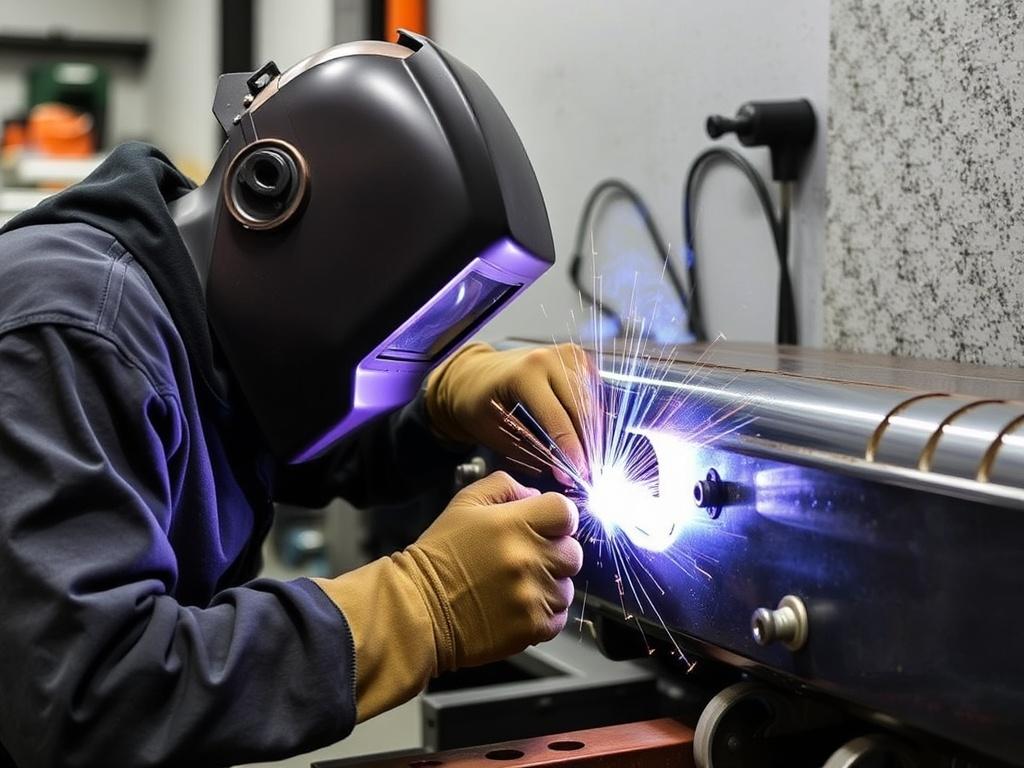
Many novices make similar mistakes when starting with automotive welding. Knowing what to watch out for can save frustration and improve your results.
- Ignoring Safety: Never weld without a helmet, gloves, and proper ventilation.
- Poor Surface Preparation: Welding over rust, paint, or dirt leads to weak or contaminated welds.
- Wrong Settings: Using incorrect voltage, wire speed, or gas flow can cause poor penetration or excessive spatter.
- Moving the Workpiece: Clamp your materials securely. Movement during welding ruins the joint.
- Rushing the Job: Take your time. Good welds require steady hands and controlled movements.
- Skipping Post-Weld Cleaning: Always grind or wire brush welds and check for defects before finishing.
The Future of Automotive Welding
As automotive technology evolves, so does the art and science of welding. Emerging trends and innovations promise exciting shifts in how welders approach their craft.
Robotics and Automation
In manufacturing, robots have transformed welding by increasing speed, precision, and repeatability on assembly lines. While automation might not replace the creativity of custom fabrication, it sets a higher standard for weld quality and consistency.
Advanced Materials
New automotive materials like ultra-high-strength steel, aluminum alloys, and composites require specialized welding procedures and equipment. Continuous research leads to safer, lighter, and more durable vehicles with tailored welding solutions.
Virtual Training and Simulation
Modern welding education increasingly incorporates virtual reality and simulation technology. These tools offer welders a risk-free environment to practice skills and troubleshoot techniques, making training safer and more effective.
Sustainability in Welding
As the automotive industry embraces sustainability, welding processes and consumables are evolving to reduce environmental impact. Energy-efficient machines, recycled materials, and cleaner operations are becoming standard priorities.
Conclusion: The Art and Function of Automotive Welding
Automotive welding bridges the gap between repairing the familiar and forging the extraordinary. From fixing a damaged fender to fabricating a custom chassis, welding embodies both practical necessity and creative craftsmanship.
Being knowledgeable about automotive welding opens up a world where metal bends to your will, allowing you to restore, rebuild, or revolutionize vehicles. It’s a skill that requires patience, attention to detail, and respect for safety, but the rewards are immense.
Whether you’re a hobbyist, a professional mechanic, or a passionate fabricator, the journey through automotive welding is as dynamic as the cars you work on. Embrace the challenges and discoveries—it’s a powerful way to connect with the engineering marvels on wheels that define our modern world.
Happy welding, and may your sparks always fly true!