
SQLITE NOT INSTALLED
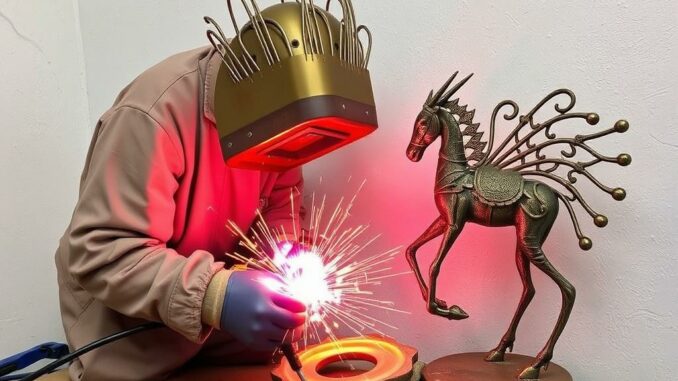
Artistic welding is a fascinating craft that blends the precise skill of welding with the boundless creativity of art. This unique art form allows craftsmen and artists to transform raw metal into awe-inspiring sculptures and decorations, turning the cold, hard steel into expressive, vibrant masterpieces. Whether you’re a beginner interested in artistic welding or an experienced welder seeking to explore your creative potential, this article will take you on a comprehensive journey through the world of artistic welding.
In this article, we will delve deeply into what artistic welding entails, explore essential techniques, tools, and materials, and highlight inspiring examples of metal sculptures and decorative pieces. We will also discuss the growing popularity of this medium in both private and public spaces, exploring how welding artistry enriches our environments in subtle and dramatic ways.
What is Artistic Welding?
Artistic welding is the creative process of constructing aesthetically pleasing pieces—ranging from elaborate sculptures to decorative household items—by joining metals using various welding techniques. Unlike traditional welding, which focuses primarily on strength and functionality, artistic welding places equal importance on form, texture, style, and expression.
The roots of artistic welding date back centuries, with blacksmiths traditionally crafting ornamental gates, railings, and handicrafts. Today, modern artistic welding incorporates advanced technologies, combining traditional hand skills with computer-aided design (CAD), plasma cutting, and other innovations to push the boundaries of metal artistry.
The Difference Between Industrial and Artistic Welding
While both industrial and artistic welding involve fusing metal parts, they have distinct goals and approaches. Industrial welding focuses on structural integrity, safety standards, efficiency, and repeatability. In contrast, artistic welding prioritizes visual impact, uniqueness, and often embraces imperfections that add character to the finished piece. The artist-welder uses welding as a tool for creation rather than just fabrication.
For example, an industrial welder constructing a bridge must ensure each weld adheres to rigorous engineering specifications, often following strict blueprints. An artistic welder creating a sculpture, on the other hand, may experiment freely with shapes, textures, and finishes, prioritizing emotional resonance over pure function.
Essential Welding Techniques for Artistic Work
If you are intrigued by artistic welding, understanding the primary welding techniques is crucial as they form the foundation on which creative expression rests. Each method offers unique visual and structural possibilities, and artists often combine several techniques to achieve their desired effects.
MIG Welding (Metal Inert Gas)
MIG welding is popular among artists because it is relatively easy to learn and produces clean welds quickly. It uses a continuous wire feed as both the electrode and filler material. Shielded by an inert gas like argon or carbon dioxide, it prevents oxidation and allows for smooth, aesthetically pleasing beads.
In artistic welding, MIG is favored when working on medium-thickness materials or when a neat finish is critical, such as in decorative gates, furniture accents, or fine details on a sculpture.
TIG Welding (Tungsten Inert Gas)
TIG welding requires more precision and skill but offers unmatched control, making it ideal for delicate or thin metal work. Unlike MIG, TIG welding uses a non-consumable tungsten electrode and a separate filler rod, both protected by a gas shield.
For artistic welders, TIG allows for detailed, clean passes that can create visually appealing joints essential in sculptures or intricate decorations. It also works well on a wider variety of metals, including stainless steel, aluminum, and copper alloys.
Stick Welding (Shielded Metal Arc Welding)
Stick welding is a traditional and versatile method that involves a flux-coated electrode. It is particularly effective outdoors or in rugged environments where wind may interfere with gas shielding. However, it tends to produce rougher weld beads, which can add texture and character to artistic pieces.
Many artists utilize stick welding to create rustic, raw aesthetics, especially in large-scale sculptures or found-object artwork.
Plasma Cutting and Welding
While not strictly a welding technique, plasma cutting is invaluable for artistic welders who need precise shapes cut out of thick sheets of metal. Plasma torches use superheated ionized gas to melt the metal and blow away the molten material, allowing for detailed contours and patterns that enhance sculpture surfaces.
Choosing the Right Materials for Artistic Welding
The choice of material significantly influences the final look and feel of an artwork. Different metals offer distinct colors, textures, weights, and durability, as well as welding challenges. Let’s explore some common materials used in artistic welding.
Steel
Steel is by far the most common material due to its versatility, affordability, and strength. There are several types of steel used for artistic projects:
- Carbon Steel: Easy to weld and often used for sculptures and decorative pieces. It can rust over time, but some artists embrace this weathered look.
- Stainless Steel: More resistant to corrosion and offers a sleek, shiny finish. It is harder to weld but excellent for pieces intended for outdoor use or those requiring a polished appearance.
- Weathering Steel (Corten): Develops a protective rust layer that stabilizes over time, adding rich natural colors. It is extremely popular for large outdoor sculptures.
Aluminum
Aluminum’s lightweight and silvery sheen make it attractive for delicate or mobile sculptures. It requires techniques like TIG welding to avoid warping due to its high thermal conductivity and low melting point. Aluminum can be polished to a mirror finish or left with a matte texture depending on the artist’s preference.
Copper and Brass
These metals boast warm tones and beautiful natural patinas. They are softer metals, suitable for detailed, smaller works. Welding copper requires specialized techniques due to its high thermal conductivity.
Tools and Equipment for Artistic Welding
Artistic welders need not only welding machines but an array of specialized tools to bring their vision to life. The right equipment enables more precise work, better finishes, and safer operations.
| Tool/Equipment | Purpose | Importance in Artistic Welding |
|---|---|---|
| Welding Machine (MIG, TIG, Stick) | Fuses metal parts | Core equipment; type chosen affects weld characteristics |
| Welding Helmet & Safety Gear | Protects eyes, face, and body from sparks and UV light | Essential for safety and comfort |
| Angle Grinder | Used for smoothing welds, cutting, and surface preparation | Refines details and improves aesthetics |
| Plasma Cutter | Precisely cuts metal sheets | Enables intricate designs and shapes |
| Clamps and Jigs | Hold pieces firmly in place | Ensure accuracy and stability during welding |
| Metal Brushes and Files | Clean and texture metal surfaces | Create desired finishes and remove oxidation |
Step-by-Step Process of Creating a Welded Sculpture
Understanding the workflow of creating a welded sculpture can demystify the process and inspire you to dive into your own project. Below is a typical step-by-step guide that many artistic welders follow.
Step 1: Conceptualization and Sketching
Every great sculpture begins as an idea. Artists often sketch their concepts on paper or use digital tools to explore shapes, proportions, and themes. This initial stage helps clarify the vision and execution plan.
Step 2: Material Selection
Based on the design, artists choose appropriate metals, considering factors like weight, durability, color, and weldability.
Step 3: Cutting and Preparing Pieces
Using plasma cutters, saws, or grinders, raw metal sheets or bars are cut into the shapes needed for the sculpture. Edges are cleaned and smoothed to ensure good welds.
Step 4: Trial Fitting
Pieces are arranged without welding to check composition and balance. Adjustments are made as necessary.
Step 5: Welding Assembly
The pieces are welded together carefully, often in stages. Artistic welders may leave some weld beads visible for texture or grind others smooth for a refined look.
Step 6: Surface Treatments
Finishing touches include polishing, patinas, paint, or protective coatings. Some artists apply rust inhibitors or sealants for outdoor durability.
Step 7: Installation and Display
Finally, sculptures are mounted or placed in their intended environment, ready to inspire viewers.
Examples of Artistic Welding in Public Spaces
Artistic welding has a growing presence in urban and natural landscapes, transforming ordinary spaces into vibrant showcases of creativity. Here are some inspiring examples that highlight the versatility and impact of welded sculptures and decorations.
Urban Sculptures
Many cities commission metal artworks to enliven plazas, parks, and waterfronts. Sculptures range from abstract forms that provoke thought to figurative ones celebrating history or culture. These pieces often withstand weather extremes thanks to durable materials and protective treatments.
Decorative Gates and Railings
Welded iron gates and railings serve practical functions while providing artistic appeal. Intricate scrolls, botanical motifs, or geometric patterns crafted via artistic welding elevate home facades, gardens, and public buildings.
Furniture and Garden Art
Tables, chairs, trellises, and garden stakes fashioned from welded metal combine utility with artistic flair. These functional decorations enhance outdoor living spaces with a blend of strength and sculpture.
Inspiring Artists in the Field of Artistic Welding
The world of artistic welding is full of talented individuals whose remarkable works inspire others to see metal as a creative medium. Here are just a few noteworthy artist-welders:
- Albert Paley: A pioneer in contemporary metal sculpture, Paley’s monumental welded works grace museums and public spaces worldwide.
- Deborah Butterfield: Famous for her welded steel horses that resemble driftwood, showcasing delicate balance between natural forms and industrial materials.
- David Oliveira: Specializes in rusted steel sculptures that harmonize with the environment while challenging perceptions.
These artists demonstrate the vast emotional and conceptual range possible through artistic welding.
Tips and Best Practices for Aspiring Artistic Welders
If you’re eager to embark on your own artistic welding journey, here are several helpful tips:
- Start Small: Experiment with small sculptures or decorations using simple techniques before tackling complex projects.
- Practice Safety: Always wear proper safety gear and ensure your workspace is well-ventilated.
- Learn to See Shapes: Train your eye to see how individual metal pieces can combine into larger forms.
- Experiment With Textures: Use different welding styles, grinding, and finishing methods to add interest.
- Seek Inspiration: Study works by established metal artists and visit galleries or public sculptures.
- Be Patient: Welding artistry requires time, practice, and often multiple attempts to perfect your technique.
The Future of Artistic Welding
As technologies advance and creative boundaries expand, artistic welding is poised for an exciting future. Innovations like 3D metal printing, robotic welding, and augmented reality offer new tools for artists to experiment and innovate. At the same time, the sustainable qualities of metal—durability, recyclability—align with growing environmental awareness.
The blend of craftsmanship, creativity, and engineering in artistic welding continues to captivate audiences and creators alike, making metal art an ever-evolving dialogue between human ingenuity and elemental forces.
Conclusion: Embracing the Art of Welding
Artistic welding is more than just a technical skill—it’s a vibrant form of self-expression that transforms industrial materials into living art. Whether creating sweeping outdoor sculptures, intricate decorative items, or functional art in furniture and gates, artistic welders turn the mundane into the magnificent.
For anyone interested in metalwork, the fusion of artistry and welding offers an inspiring pathway to explore creativity, challenge conventions, and contribute lasting beauty to our shared spaces. So grab your welding machine, safety gear, and imagination—your artistic journey awaits!